How to Parse and Act on Crypto Coin News Without Information Overload
Crypto coin news arrives in continuous streams across social platforms, project Discord servers, GitHub repositories, governance forums, and specialized news aggregators. For practitioners managing positions or evaluating new protocol deployments, the challenge is not access to information but filtering signal from noise and verifying claims before acting. This article covers the mechanics of news triage, source verification workflows, and integration points with portfolio or development decisions.
News Source Taxonomy and Signal Strength
Not all crypto news sources carry equal verification burden or latency characteristics. Official project repositories and governance proposals represent canonical sources with commit signatures and onchain voting records you can verify independently. Protocol Discord announcements or verified team Twitter accounts sit one tier below: they reflect official intent but require crosschecking against contract deployments or documentation updates.
Third party crypto news sites and aggregators introduce editorial selection and republishing delay. Treat these as hypothesis generators, not execution signals. Social amplification on platforms like Twitter or Telegram often precedes formal announcements but carries higher false positive rates, especially around token unlocks, partnership claims, or exploit allegations.
Security incident reports deserve separate treatment. Initial exploit announcements on Twitter frequently contain incomplete or incorrect technical details. Wait for postmortems from the affected protocol, independent audit firms, or block explorers showing the actual transaction sequence before adjusting risk models.
Verification Workflow for Protocol Updates
When you encounter news about a protocol upgrade, token migration, or parameter change, follow this sequence before updating position logic or integration code.
First, locate the governance proposal or improvement document. Most mature protocols maintain numbered proposal systems with onchain voting records. The proposal ID lets you verify vote outcomes and execution status independently of any news report.
Second, check for corresponding contract deployments. Use a block explorer to confirm new contract addresses match those in official documentation. Compare deployment timestamps to announcement dates. Mismatches suggest either the news is premature or the contract is unofficial.
Third, review the actual code changes if you integrate with the protocol. Diff the new contract against the previous version or read the audit report if available. News summaries often mischaracterize technical changes, especially around fee structures, oracle dependencies, or access control modifications.
For token related news such as supply changes, vesting schedules, or burn mechanisms, query the token contract directly rather than relying on written claims. Supply functions, holder distributions, and lock contract parameters are all readable onchain.
Regulatory and Compliance Announcements
Regulatory news presents asymmetric risk because initial reports rarely include full legal text or effective dates. When a jurisdiction announces new crypto rules, locate the primary source document. Press releases and news summaries frequently omit carveouts, transition periods, or jurisdictional boundaries that determine actual applicability.
For exchange delisting announcements or geo blocking changes, verify the effective date and whether existing positions face forced liquidation or orderly withdrawal windows. Some exchanges provide API endpoints showing upcoming market closures or trading restriction schedules.
Enforcement actions against specific protocols or entities require distinguishing between allegations and final determinations. An SEC complaint filed against a protocol does not immediately render it illegal to use, though it may affect counterparty willingness or liquidity depth.
Worked Example: Processing a Stablecoin Depeg Alert
You receive a notification that a decentralized stablecoin has depegged to 0.92 USD. Your verification sequence looks like this.
Check current DEX prices on multiple venues. Query Uniswap, Curve, and centralized exchange APIs to confirm the price and measure spread variance. A single venue showing depeg while others remain pegged suggests localized liquidity issues rather than fundamental collateral problems.
Examine the collateralization ratio onchain. Most decentralized stablecoins expose collateral positions through public view functions. Calculate the current ratio against documented liquidation thresholds. If collateral remains above critical levels, the depeg may reflect temporary redemption friction rather than insolvency.
Review recent large transactions. Use block explorers to identify major redemptions, liquidations, or collateral withdrawals in the past 24 hours. This reveals whether the depeg followed organic selling or a coordinated exit.
Check oracle price feeds. Some stablecoins use time weighted average pricing or multiple oracle sources. Verify the oracles themselves have not experienced outages or manipulation that could trigger incorrect liquidations.
Monitor governance or incident response channels for official statements. Protocol teams typically communicate collateral adjustments, emergency pauses, or parameter changes through designated channels during stability events.
Common Mistakes When Acting on News
-
Executing based on headlines without verifying onchain state. Token unlock announcements often circulate weeks before actual contract execution. Confirm the unlock transaction has occurred before assuming circulating supply changes.
-
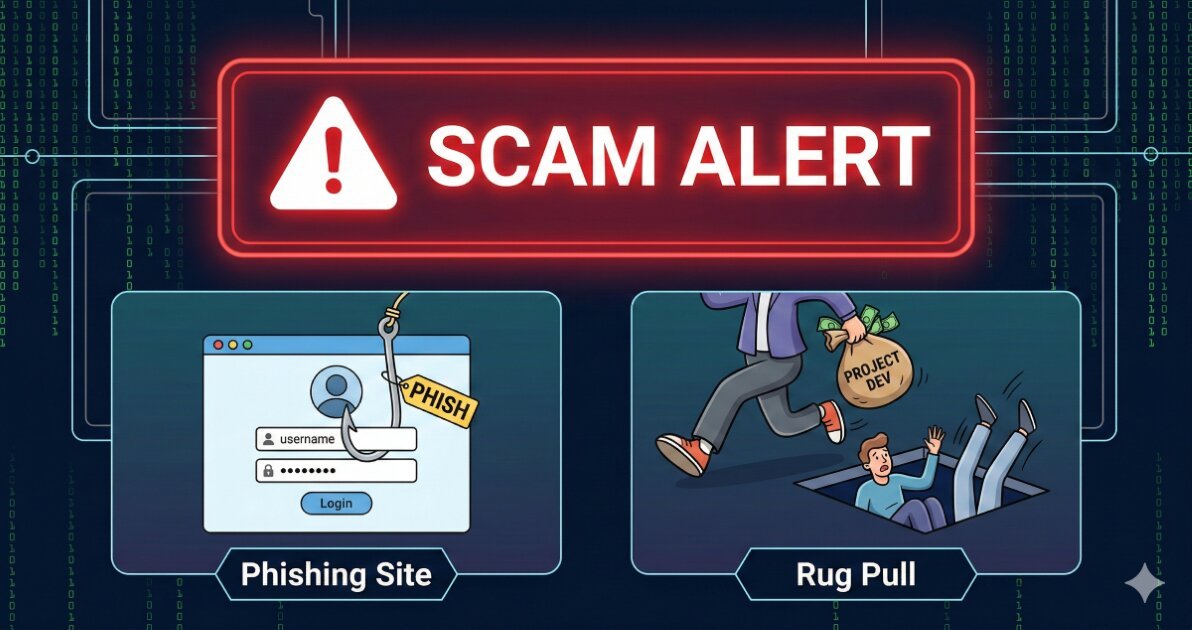
Assuming all forks or airdrops are legitimate. Fake airdrop contracts mimicking real projects frequently appear after major announcements. Verify contract addresses through official repositories, not social media posts.
-
Ignoring timezone and block number specifics in time sensitive events. “Tomorrow” in a project announcement may reference a different timezone. Convert to block numbers for precision when scheduling transactions.
-
Treating testnet deployments as mainnet launches. News about protocol deployments sometimes conflates test environments with production. Check the network ID and block explorer before interacting.
-
Following single source claims about TVL, user counts, or volume metrics. These figures often derive from different measurement methodologies. Cross reference against onchain analytics platforms that show calculation methods.
-
Reacting to governance proposals before checking vote thresholds and quorum requirements. A proposal announcement does not guarantee execution. Verify it meets minimum participation and approval percentages.
What to Verify Before Relying on News
- Current contract addresses for any protocol mentioned in upgrade or migration news
- Actual vote outcome and execution status for governance proposals
- Effective dates and timezone specifications for scheduled events
- Network or chain where deployments or changes apply
- Audit report publication and scope for new protocol features
- Token contract addresses for airdrops or distribution events
- Collateral composition and oracle sources for stablecoin stability claims
- Jurisdictional applicability of regulatory announcements
- Whether exchange maintenance or delisting affects withdrawal functionality
- Source credibility through Git commit history or verified communication channels
Next Steps
- Build a monitoring setup that queries contracts directly for critical parameters rather than relying on secondary news sources for position management decisions.
- Establish verification checklists for different news categories so you can quickly assess which claims require onchain confirmation before action.
- Document false positive incidents where news reports diverged from actual protocol behavior to refine your filtering criteria over time.